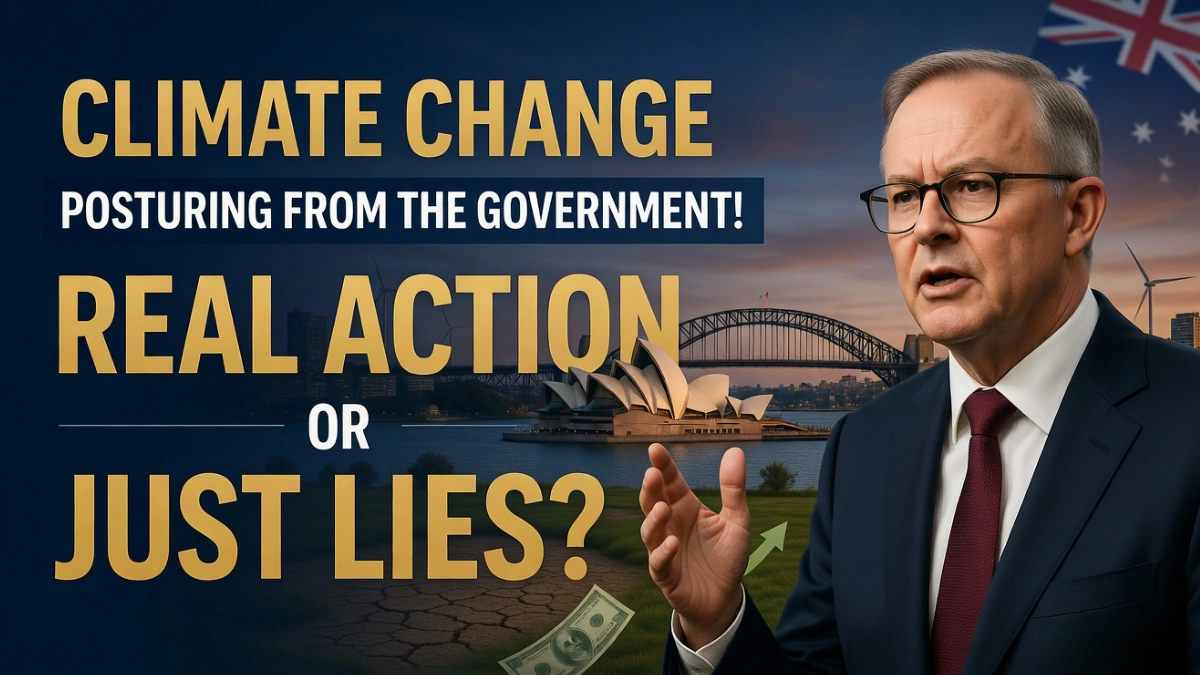
In 2026, climate change policies have become a major topic of global discussion as governments face growing pressure to show real and measurable progress. Rising temperatures, frequent extreme weather events, and increasing public awareness have made climate action more urgent than ever. While many governments continue to announce new plans and commitments, there is also a rising debate about whether these efforts are producing real results or simply creating a positive public image.
Governments across the world are focusing on strategies such as investing in renewable energy, setting emission reduction targets, and introducing stricter environmental regulations. These measures are designed to reduce carbon output and support a long-term transition to cleaner energy sources. In many cases, financial incentives are also provided to encourage industries and individuals to adopt eco-friendly practices. Although these steps show that progress is being made, their success depends on proper execution, sufficient funding, and long-term commitment.
At the same time, criticism of climate policies continues to grow. Many experts and observers argue that some government announcements are not followed by strong action. Delays in project implementation, lack of clear enforcement rules, and inconsistent progress in reducing emissions have raised doubts about the effectiveness of certain policies. This gap between what is promised and what is delivered often leads to public skepticism and questions about whether the actions are truly impactful.
यह भी पढ़े:
 $700 Medicare Credit Shock 2026: Claim Before Deadline or Lose This Health Benefit Forever
Another important challenge is finding the right balance between environmental protection and economic stability. Policies aimed at reducing emissions can sometimes lead to higher costs for businesses and consumers. This can create resistance, especially in industries that depend heavily on traditional energy sources. To manage this, governments often prefer gradual changes instead of sudden shifts, ensuring that economic growth and employment are not severely affected while still working toward environmental goals.
Transparency has become a key factor in building public trust. People are now paying closer attention to actual emission data, progress reports, and independent evaluations rather than just policy announcements. Clear and honest communication about achievements and challenges can help bridge the gap between expectations and reality.
In conclusion, climate policies in 2026 reflect both progress and ongoing challenges. While efforts are being made, true success will depend on consistent action, accountability, and measurable outcomes that go beyond promises.

Disclaimer: This article is for informational and analytical purposes only and reflects general perspectives as of 2026. It does not represent political opinion or policy endorsement. Readers should consult multiple credible sources for a balanced understanding of climate policy developments.